Gum Tree Country

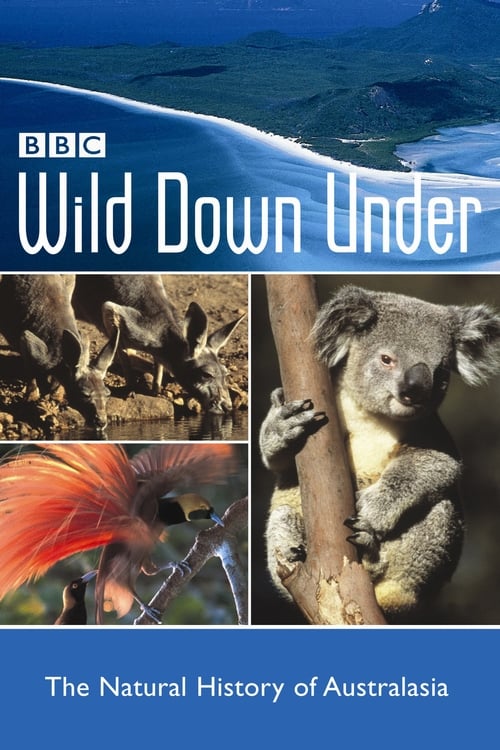
Wild Down Under poster
Wild Down Under
3rd October 2003 50 mins Season 1 Episode 4

Australia's eucalypt forests are the subject of the fourth programme. In the tropical north, male frilled lizards fight over territory, but retreat to the trees as a kite passes overhead. Gang-gang cockatoos stay above the snowline of the southern mountains to feed on the seed capsules of snow gums. On the misty lower slopes, better soils enable the mountain ash to reach 100 metres, the tallest hardwood in the world. Animals of these forests include superb lyrebirds, Leadbeater's possums and mountain brushtail possums. Some gum trees survive in the arid conditions of the interior; the ghost gum even clings to rocky gorges. The eucalypts provide essential resources for wildlife. Their flowers attract nectar feeders such as lorikeets, honeyeaters and flying foxes, which also act as pollinators. The koala has a special digestive system which enables it to stomach the toxic leaves. Yellow-bellied gliders are shown licking sap and sailing between trees, while termites attack the trees themselves. Gum trees are highly flammable and are adapted to cope with bushfires: fresh shoots grow from buds protected by the insulating bark within weeks of a blaze. Regent parrots nest deep inside the river red gums along the Murray River to avoid predatory lace monitors. The boughs can drop without warning, and those that fall into the river provide shelter for Murray cod. The final scenes show red kangaroos bounding through a flooded forest – without periodic floods, the trees would not survive.


View season
Up next

Next Episode

View season
Island Arks still
Season 1 · Episode 5

Island Arks

This episode begins at Kakadu, a seasonal wetland and representative of the swamps that once stretched from north Australia to New Guinea. The lush tropical forests of New Guinea are home to creatures such as long-beaked echidnas, tree kangaroos and 38 kinds of bird of paradise, as well as richly varied human cultures. Male Raggiana birds of paradise are filmed displaying at a lek and mating. Further east, the submerged tips of extinct volcanoes support colourful reefs. Pygmy seahorses and razorfish use camouflage to avoid detection. Saltwater crocodiles can swim great distances, enabling them to colonise remote volcanic islands. No terrestrial mammals have made it this far, but fruit-eating bats such as the tube-nosed species feast on figs. On Lord Howe Island, the aerial displays of male tropicbirds are filmed, and adult sooty terns regurgitate meals for their chicks. New Caledonia is a remnant of the Australian land mass which broke away 80 million years ago. It has many unique species, especially lizards: the giant gecko is the largest of its kind. New Zealand lies on the edge of the continental land mass, and marine life drawn to its nutrient-rich seas include sperm whales and acrobatic dusky dolphins. On land, keas have colonised the Southern Alps and in the forests, kiwis and wetas occupy ecological niches normally associated with mammals. Introduced species have decimated the native fauna, but many species survive on offshore islands. The kakapo, tui, kaka, Fiordland penguin and sooty shearwater are all shown.

Episode details

Details