Island Arks

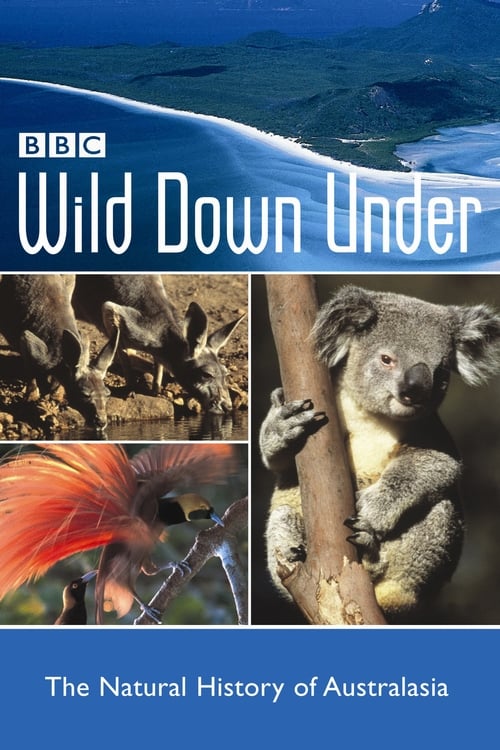
Wild Down Under poster
Wild Down Under
10th October 2003 50 mins Season 1 Episode 5

This episode begins at Kakadu, a seasonal wetland and representative of the swamps that once stretched from north Australia to New Guinea. The lush tropical forests of New Guinea are home to creatures such as long-beaked echidnas, tree kangaroos and 38 kinds of bird of paradise, as well as richly varied human cultures. Male Raggiana birds of paradise are filmed displaying at a lek and mating. Further east, the submerged tips of extinct volcanoes support colourful reefs. Pygmy seahorses and razorfish use camouflage to avoid detection. Saltwater crocodiles can swim great distances, enabling them to colonise remote volcanic islands. No terrestrial mammals have made it this far, but fruit-eating bats such as the tube-nosed species feast on figs. On Lord Howe Island, the aerial displays of male tropicbirds are filmed, and adult sooty terns regurgitate meals for their chicks. New Caledonia is a remnant of the Australian land mass which broke away 80 million years ago. It has many unique species, especially lizards: the giant gecko is the largest of its kind. New Zealand lies on the edge of the continental land mass, and marine life drawn to its nutrient-rich seas include sperm whales and acrobatic dusky dolphins. On land, keas have colonised the Southern Alps and in the forests, kiwis and wetas occupy ecological niches normally associated with mammals. Introduced species have decimated the native fauna, but many species survive on offshore islands. The kakapo, tui, kaka, Fiordland penguin and sooty shearwater are all shown.

View season
Up next

Next Episode

View season
New Worlds still
Season 1 · Episode 6

New Worlds

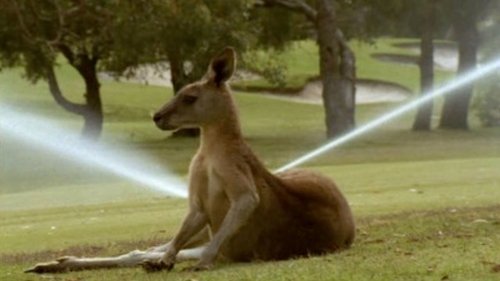
The final instalment explores man's impact on Australia's wildlife. The arrival of Europeans brought huge changes. Some creatures have benefited - golf courses provide perfect browse for kangaroos and a landfill site is an important feeding ground for ibises – but many have suffered. Early homesick colonisers tried to model the landscape on the English countryside, bringing with them animals which have since wreaked havoc. Millions of wild pigs now roam, destroying vegetation, damaging waterholes and eating birds' eggs. Rabbits, camels and cane toads were also introduced and are out of control. European honeybees are supplanting native bees in the competition for nectar, and foxes prey on small marsupials. 54 native frogs, birds and mammals, including the Tasmanian tiger, have become extinct. Some which were presumed extinct have since been rediscovered, including Australia's rarest mammal, Gilbert's potoroo. Scientists are still searching for the night parrot after a single dead specimen was reported in 1990, but the great desert skink, familiar to Aborigines, is more widespread than previously thought. On Barrow Island, rare fauna including golden bandicoots and burrowing bettongs live amongst the oil wells, and a perentie drinks from a dripping air-conditioning unit. On Tasmania, devils and tiger quolls are filmed scavenging food in a sheep farmer's shed. Modern cities can also be a refuge for wildlife. 30,000 grey-headed flying foxes roost in Melbourne’s botanical gardens and feed on orchard fruit nearby, while paying tourists feed wild rainbow lorikeets in a Brisbane park.

Episode details

Details