Desert Heart

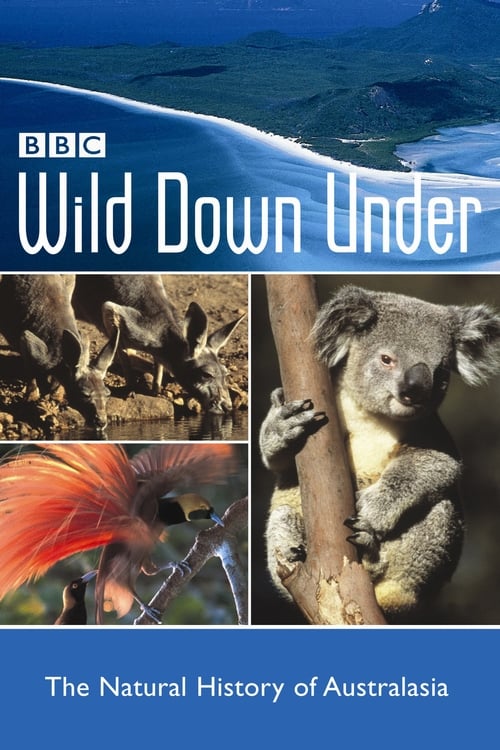
Wild Down Under poster
Wild Down Under
19th September 2003 50 mins Season 1 Episode 2

The second programme examines the deserts of Australia's interior. These harsh environments make up two thirds of the land area. Vast areas support nothing but tough spinifex grass, indigestible to most herbivores. Instead, termites are the grazers of these grasslands. Inside the termite mound, a whole ecosystem flourishes; centipedes eat the termites and knob-tailed geckos prey on both. Lizards are one of the most successful animals in Australia's deserts, and a thorny devil is shown waiting alongside a pathway of ants. Mammals here are nocturnal, staying underground during the heat of the day. Those featured include bilbies and malas. Waterholes attract huge numbers of birds, and zebra finches are shown being preyed on by a falcon. Nearby, black-footed rock wallabies hop around on the precipitous rock faces. The Finke River is an important water source in central Australia and red-tailed black cockatoos gather here in large flocks to breed. Camels were originally brought over for transport, but now half a million roam the desert. Meat ants and aggressive bulldog ants are shown hunting and scavenging on the desert floor. The Simpson Desert has the largest expanse of parallel sand dunes in the world, but red kangaroos survive even here. Once thought to be an inland sea, Lake Eyre is normally an inhospitable salt pan. Every 30 years or so, exceptional rains charge rivers which flow inland, filling the lake. The waters trigger a rush to breed, attracting birds such as pelicans in their thousands.

View season
Up next

Next Episode

View season
Southern Seas still
Season 1 · Episode 3

Southern Seas

The third instalment features the wildlife of Australasia's seas and coasts. On Western Australia's desert coastline, seas are lifeless apart from a few fertile pockets. Whale sharks feed close to shore at Ningaloo Reef. At Shark Bay, sharks and dogtooth tuna pin a sardine shoal to the shore, filmed from the air and underwater. A pair of Bryde's whales joins the feeding frenzy. Shallow, sandy bays are ideal conditions for seagrass, browsed by dugongs. In north Australia, monsoon rains flush rich sediment into the ocean. At low tide, golden ghost crabs and mudskippers emerge to feed on the exposed worms, snails and shellfish. The Leeuwin Current brings warm water to the south coast. Australian sea lions and southern right whales raise their young in the impoverished waters of the Great Australian Bight, while giant cuttlefish gather in the breeding season. The cold Southern Ocean skirts Australia's remote south west tip, where the seas are home to giant kelp forests and strange creatures. The leafy sea dragon is camouflaged as seaweed, while the handfish uses its fins to walk across the seabed. At night, female lobsters climb to high points on the reef to release their brood of larvae. In New Zealand's cold and nutrient-rich waters, gannets are filmed plunge-diving into a sardine shoal, which also attracts common dolphins. Hector's dolphins stay close to shore to avoid sharks. Snares Islands penguins must negotiate a steep granite rockface and patrolling Hooker's sealions to reach their nest burrows.

Episode details

Details