Wild Down Under

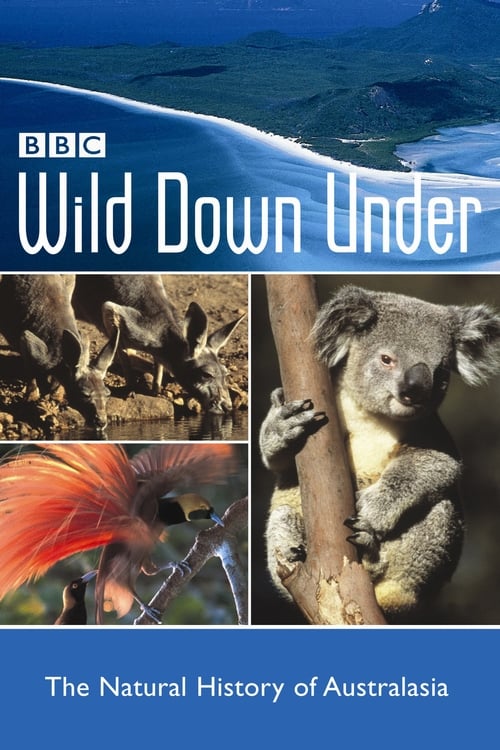
Wild Down Under poster
Wild Down Under
12th September 2003 50 mins Season 1 Episode 1

The first episode provides an overview of Australia's natural history. Tasmania gives a glimpse of Australia's lush forests of the past. A group of Tasmanian devils are filmed squabbling over a wallaby carcass. In eastern Australia, buckling formed the Australian Alps, high enough to attract snowfall. Wombats bulldoze the snow to reach buried grass and platypus hunt shrimp in the mountain streams. In the ancient tropical rainforest of the Top End, cassowaries, striped possums and sugar gliders are filmed. Kangaroos and koalas inhabit the more open eucalpyt woodlands, and kookaburras feed their chicks in the nest hole. As Australia dried out, many rivers became intermittent or turned to creeks. Billabongs attract wildlife such as flocks of corella parrots, a sign of water to early explorers.They are curious, sociable birds, and are shown playing on branches and investigating the nest holes of budgerigars. In north Australia's wet season, the tropical wetlands of Kakadu attract millions of magpie geese and other water birds. When the land begins to dry out again, freshwater crocodiles must move to avoid being trapped in shrinking pools. Aerial photography is used to show features of Australia's deserts, such as parallel dunes and Uluru. A planigale hides from a taipan, the world's deadliest snake, and a sand goanna digs out a scorpion. The Great Barrier Reef was formed 10,000 years ago as sea levels rose. At certain tides after a full moon, its corals engage in the planet's greatest synchronised spawning event.

View season
Up next

Next Episode

View season
Desert Heart still
Season 1 · Episode 2

Desert Heart

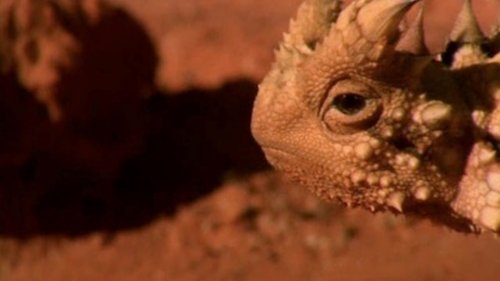
The second programme examines the deserts of Australia's interior. These harsh environments make up two thirds of the land area. Vast areas support nothing but tough spinifex grass, indigestible to most herbivores. Instead, termites are the grazers of these grasslands. Inside the termite mound, a whole ecosystem flourishes; centipedes eat the termites and knob-tailed geckos prey on both. Lizards are one of the most successful animals in Australia's deserts, and a thorny devil is shown waiting alongside a pathway of ants. Mammals here are nocturnal, staying underground during the heat of the day. Those featured include bilbies and malas. Waterholes attract huge numbers of birds, and zebra finches are shown being preyed on by a falcon. Nearby, black-footed rock wallabies hop around on the precipitous rock faces. The Finke River is an important water source in central Australia and red-tailed black cockatoos gather here in large flocks to breed. Camels were originally brought over for transport, but now half a million roam the desert. Meat ants and aggressive bulldog ants are shown hunting and scavenging on the desert floor. The Simpson Desert has the largest expanse of parallel sand dunes in the world, but red kangaroos survive even here. Once thought to be an inland sea, Lake Eyre is normally an inhospitable salt pan. Every 30 years or so, exceptional rains charge rivers which flow inland, filling the lake. The waters trigger a rush to breed, attracting birds such as pelicans in their thousands.

Episode details

Details